
You just bought a property in Miami to escape the winters in Bogotá. Maybe you’re planning to rent it out on Airbnb. Or perhaps you’re launching a consulting business or investing in a franchise. One decision can significantly impact your taxes, liability, and even your heirs: how you structure your U.S. business or investment.
Understanding the differences between LLCs, S Corps, and C Corps is essential for any foreign investor entering the U.S. market. The structure you choose can affect everything from how much tax you pay to how easily you can transfer your business or assets in the future. In this article, we’ll help you navigate these options and determine which structure—LLC, C Corp, or S Corp—best aligns with your goals in the land of opportunity.
Key Considerations for Foreign Entrepreneurs
Foreign investors often enter the U.S. market with goals like purchasing real estate, starting a side business, or building long-term wealth. But owning U.S. assets or earning U.S. income comes with added complexity—especially when it comes to taxes. Depending on how you structure your investment, you could face income tax on effectively connected income (ECI), withholding taxes, or even double taxation if your home country doesn’t offer relief. You may also have annual filing obligations with the IRS, even if your business doesn’t generate profits right away.
Another key concern is estate tax. Unlike U.S. citizens, nonresident investors are only exempt from estate tax on the first $60,000 of U.S.-situs assets—everything above that could be taxed up to 40%. Add in FIRPTA withholding when selling real estate, and it’s easy to see why choosing the right structure from the start is essential. Whether you’re investing for income, lifestyle, or legacy, the right entity can help minimize taxes, protect assets, and simplify compliance across borders.
Limited Liability Companies (LLCs)
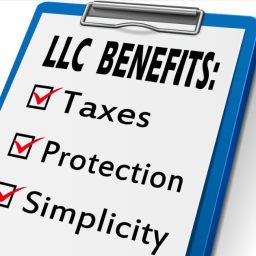
LLCs are a popular option for international investors because of the flexibility and simplicity that it offers. It provides liability protection, meaning your personal assets are generally shielded from business debts or lawsuits. You can also choose how the LLC is taxed—by default an LLC is a pass-through entity, where income is taxed directly to the owner. Owners can also opt to have it treated as a corporation, where the business pays its own tax.
However, foreign ownership of an LLC often triggers additional U.S. tax reporting obligations. For example, single-member foreign-owned LLCs must file Form 5472, and the foreign owner may need to file Form 1040NR if the LLC generates U.S. income. In addition, holding an LLC directly in your name may not protect you from U.S. estate tax, which applies to nonresidents who own U.S.-based assets at death.
Generally, limited liability companies are best for foreign clients who are looking to invest in rental real estate or setting up small businesses —especially if they are working with a U.S. tax advisor who can help manage compliance.
C-Corporations
C Corps offer a more formal and complex business structure, functioning as a separate legal and tax entity. This means the company—not the owner—pays U.S. income tax. This structure is often attractive to foreign investors because, as long as no dividends are paid, shareholders typically avoid having to file personal U.S. tax returns. The flat 21% corporate tax rate can also be advantageous for businesses that plan to reinvest profits. Additionally, a C Corporation can raise capital by selling shares—making it an appealing choice for entrepreneurs seeking long-term growth.
The downside is double taxation: when the corporation pays dividends, those are taxed again at the shareholder level, often with a 30% withholding tax (though tax treaties may reduce this rate). In addition, if you hold shares personally, they may be subject to U.S. estate tax upon your death—another reason to plan ownership carefully. This structure is often the strongest option for foreign entrepreneurs who plan to grow and reinvest in a U.S. business, want solid liability protection, and don’t need immediate distributions.
S-Corporations
S Corporations are a popular choice for U.S. small business owners, however they are not available to nonresident aliens—meaning foreign individuals cannot own shares in an S Corp. S Corps offer pass-through taxation, which means the company itself doesn’t pay federal income tax. Instead, profits and losses flow directly to the shareholders, avoiding corporate-level tax. While this can be a tax-efficient option for U.S. citizens and residents, it is simply not a viable structure for foreign investors.
Choosing Your Structure
As a foreign entrepreneur, crafting your American dream can look a little different—and it comes with important tax and legal considerations. But that doesn’t mean it’s out of reach. In fact, the opportunities are abundant when you take the time to understand the legal landscape before making decisions.
If you’re investing in U.S. real estate, forming an LLC and electing to have it taxed as a corporation can offer valuable liability protection while helping you manage your tax obligations more effectively. For those launching a business in the U.S. with plans to reinvest profits, a C Corporation is often the most strategic choice—it offers a flat corporate tax rate and avoids the need for personal tax filings, unless dividends are distributed.
And when it comes to estate planning, the way your U.S. assets are titled can have a major impact on your heirs. With the right structure in place, you can reduce your exposure to U.S. estate tax and ensure a smoother transfer of wealth to your family.
Conclusion
Whether you’re buying a Miami condo, launching a U.S. side hustle, or building a long-term investment, your structure matters. And it doesn’t end there—foreign companies can also be used to hold U.S. assets, and creating an estate plan is essential to protecting both your family and the legacy you’ve worked so hard to build.
At Legacy Counsel, we help international clients navigate both estate planning and business succession strategies with confidence. Reach out today so we can help preserve your legacy across borders.